
UESB 2024
O texto seguinte servirá de base para responder à questão.
When Green Spaces Displace Residents, Our Cities' Health Suffers
Cities are working to improve residents' well-being with more urban green spaces. But they must be on the watch for green gentrification and its negative health consequences.
Again and again, researchers have found that access to urban green spaces − from parks to gardens to greenways − positively impacts multiple measures of health, such as community satisfaction, social cohesion and access to healthy foods. Having a stable, quality place to call home is associated with various positive life outcomes, from lower mortality rates to lower rates of drug use.
However, in a process known as ecological, green or environmental gentrification, green amenities can contribute to gentrification and, over time, the displacement of low-income residents. But, perhaps counterintuitively, green gentrification can also exacerbate inequities in health, finances, quality of life and — ironically — access to green spaces.
Increasing urban green spaces can help improve well-being. However, displacing and pricing out residents can cause serious public health concerns. For example, scholars describe how green gentrification and possible displacement can lead to psychosocial and physical health consequences. A scoping review on green gentrification and health examines numerous studies wherein residents experience a lower sense of community, diminished sense of belonging and less green space usage among long-term residents.
This collection of circumstances results in the potential for greener cities to become out of residential reach for many people. Green gentrification, then, may produce the inequalities that perpetuate environmental injustice and health disparities, endangering the very residents these greening projects were originally designed to benefit.
Let's be clear. Improving neighborhoods is not the fundamental problem with gentrification and possible residential displacement. It's the systemic force that aims to set the bar of who has long-term access to quality environments and affordable housing. In working to mitigate the consequences of green gentrification, we can allow people across the socioeconomic spectrum to access quality environments where they can live, thrive and build a life they've worked hard to create.
JENNINGS, Viniece; RIGOLON, Alessandro; JELKS, Na'Taki Osborne. When Green Spaces Displace Residents, Our Cities' Health Prova Matriz - 1 12
Suffers. Next City, p. Urbanist News, Health Safety, 8 set. 2023.
Disponível em: . Acesso em: 19 nov. 2023. (Adaptado).
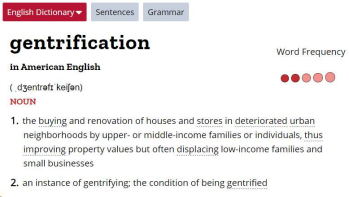
Considering the reference text and the dictionary entry provided, what are some of the impacts on public health are associated with green gentrification?
The displacement of low-income residents.
Worsening of financial inequalities among long-term residents.
Increased rates of drug use and higher mortality rates.
Community satisfaction, social cohesion and access to healthy foods.
Reduced feeling of connection and lower engagement with green areas by the original residents.
Insights de Estudo
Taxa de Acerto
Material de Estudo
Conteúdo Exclusivo
Cadastre-se para ver dicas, estratégias e análise completa desta questão
Criar conta grátis →🎓 AIO + UESB: Preparação Baseada em Dados
Fizemos o trabalho difícil para você não ter que fazer
Transforme seus estudos com a AIO!
Estudantes como você estão acelerando suas aprovações usando nossa plataforma de AI + aprendizado ativo